The other Triana craft
Triana tiles and pottery
How Triana became Seville's tile and pottery quarter, what the Centro Cerámica Triana shows, and why the theatre's walls carry tiles from a confectionery.
Reserve a seat in Triana ↗Quick answer
Triana has a traditional pottery and tile industry, which Andalucia.com dates to Roman times and links to clay from La Cartuja. The Centro Cerámica Triana, open since 2014 in the old Santa Ana factory, tells the story. Teatro Flamenco Triana adds its own piece: it says the tiles on its walls are those of the confectionery that stood there before 2017.
A district of potters
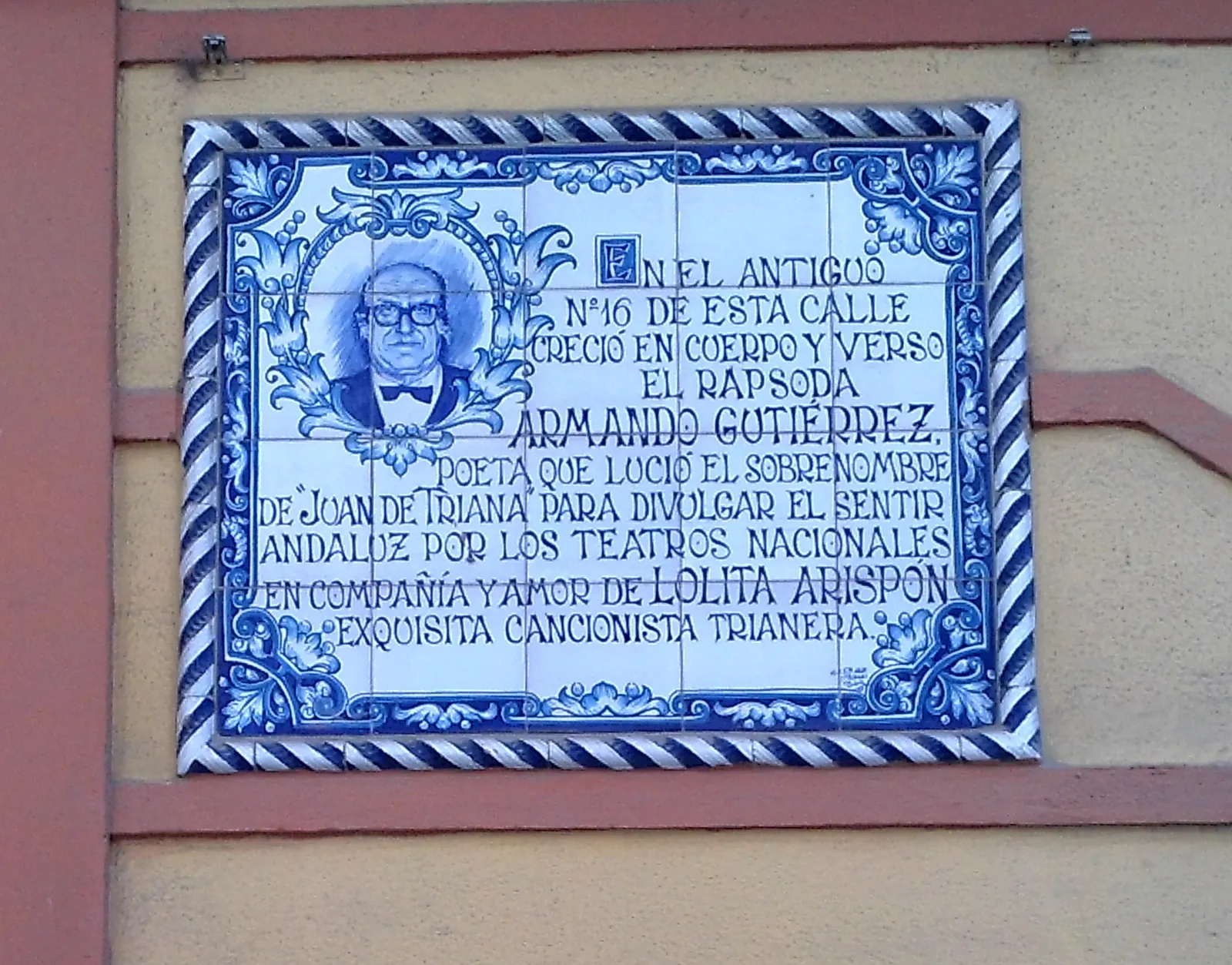
Wikipedia says Triana has a traditional pottery and tile industry and was traditionally populated by sailors and potters, among others. The riverside setting matters: the Andalucia.com guide to the district's ceramics centre says the museum shows the raw materials, including mud from the riverbank and water from the river. Clay and river water were close at hand.
A craft with deep roots
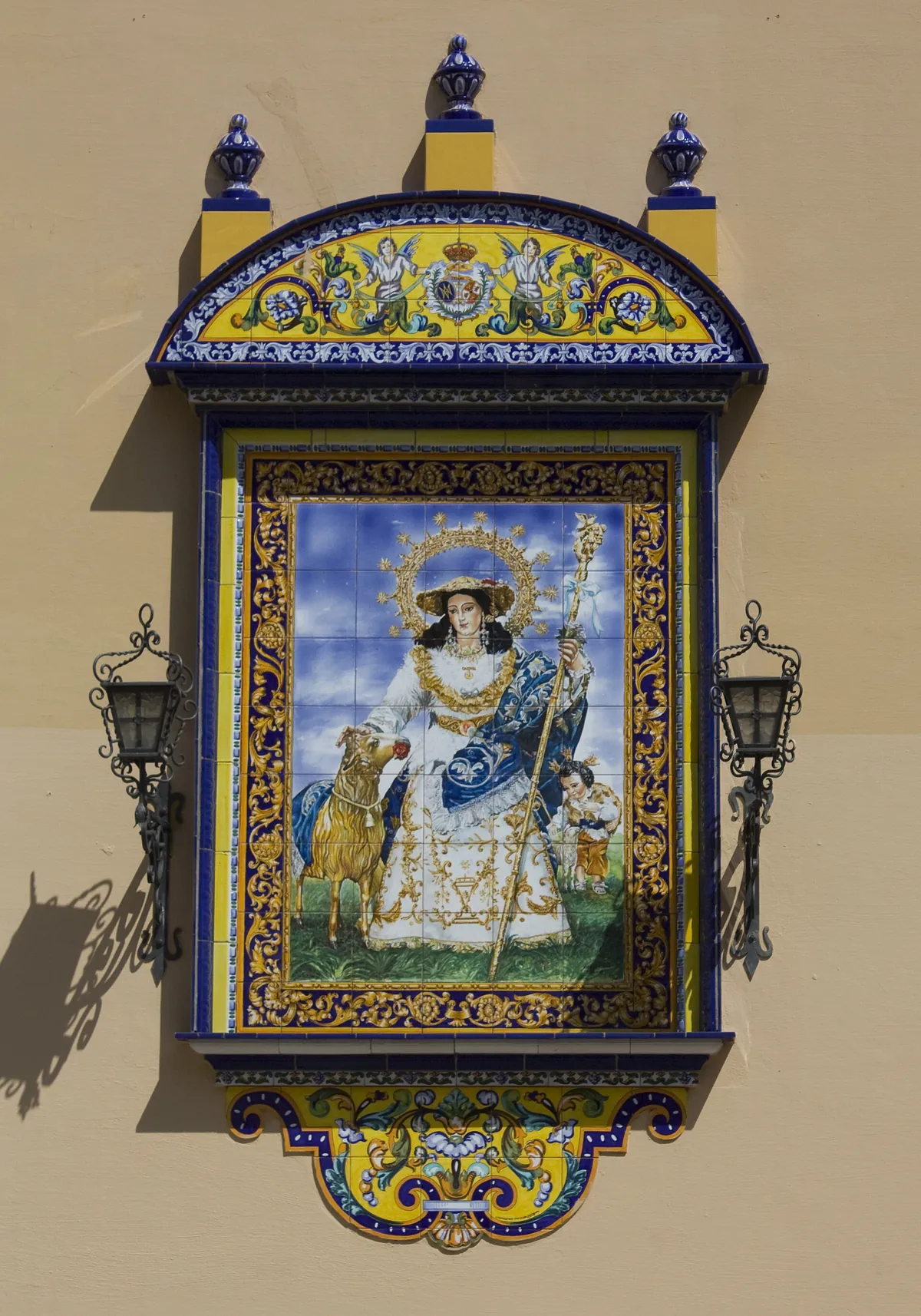
Andalucia.com says the industry dates back to Roman times and used clay from La Cartuja, to the north of the district, and that almost any tile you see in Seville's churches, hotels, bars and private houses, as well as the Plaza de España, will have been made in Triana. That is the guide's claim and it is a broad one, but it conveys the scale: this quarter supplied much of the city's ceramic decoration.
The Centro Cerámica Triana
The museum opened in July 2014 in the old Santa Ana factory, close to the Triana market and the Castillo de San Jorge, according to Andalucia.com. Visits begin with old black-and-white footage of mud being shovelled and carried by mules. The ground floor shows kilns and raw materials, and the first floor has ceramics from Moorish times up to the 1950s, plus a section on the neighbourhood and its flamenco artists and festivals. Wikipedia lists it among the museums in the area. Check current opening times before you plan a visit, as they change.
Santa Ana and La Cartuja
Wikipedia describes the Moorish Revival building of the old Cerámica Santa Ana factory, part of which is now the ceramics centre. Andalucia.com adds that photographs upstairs show how many factories the district once had, with tall chimneys that can still be seen at La Cartuja, the ceramic factory founded by the Englishman Charles Pickman in the 1800s. The company behind Santa Ana still keeps a shop with a famous façade next door.
Tiles on the theatre's walls
The theatre's own page says the building was a neighbourhood confectionery, café and ice-cream shop before a restoration in 2017, and that the tiles covering its walls are the same ones that decorated the original premises, recovered and refitted with care. It calls this a conscious choice to keep the memory of the barrio while building the future of flamenco in Triana. You can see the tiles when you take your seat.
Read next: Teatro Flamenco Triana show
A street of potters
Wikipedia's article on the soleá mentions El Zurraque, an area of Triana where potters used to have their workshops, and its article on Triana lists protected corrales on Alfarería street, one dating from the 19th century and one from 1913 to 1914. You do not need to walk there to enjoy the show, but with a spare hour around it the street names give you a map of the old craft.
Who this isn't for
This guide describes the tradition and the museum from published sources. It is not a shopping guide and does not recommend workshops or shops. Opening hours, admission and exhibitions change, so check them before you go. If you only want a flamenco show, the booking card on the home page is all you need, and the tiles will be visible at the theatre.
Frequently asked questions
Where is the Centro Cerámica Triana?
In the old Santa Ana pottery factory, close to the Triana market and the Castillo de San Jorge, according to Andalucia.com. It opened in July 2014.
Are the tiles in the theatre original?
The theatre says the tiles on its walls are the ones that decorated the confectionery, recovered and refitted during the 2017 restoration.
Is Triana pottery old?
Andalucia.com dates the industry to Roman times, and Wikipedia calls the pottery and tile industry traditional in the district.
Sources